

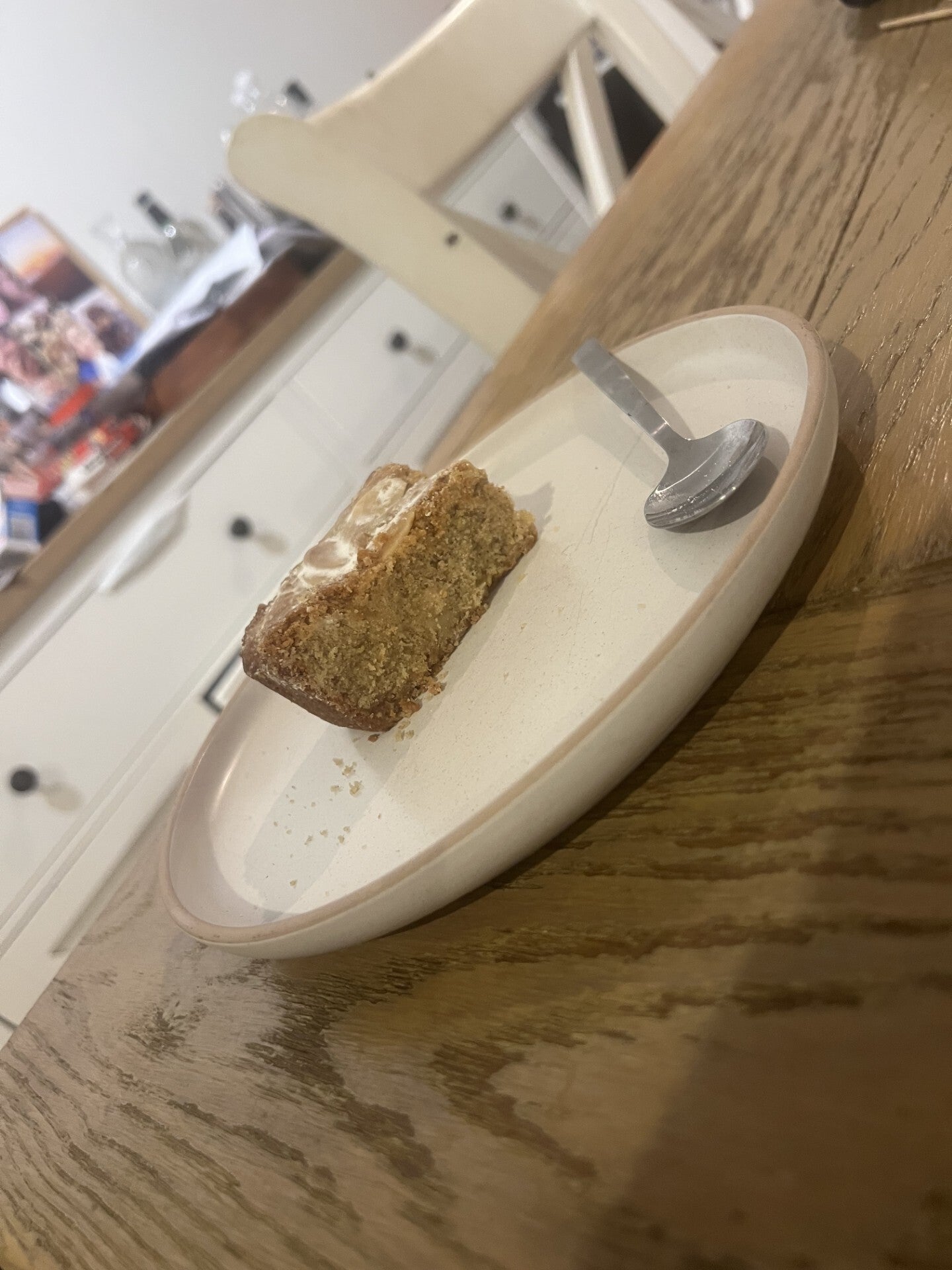
The cake of lost things: Fanouropita
Discover the history and tradition behind the Greek cake Phanouropita
By Ariana Kalidonis
Published: September 16, 2026
Phanouropita (fanouropita) is a traditional Greek cake with a meaningful background. The cake is named after and baked in honour of orthodox Saint Phanourios, the saint of lost things. In orthodox religion it is believed that when you have lost anything like a person, thing, or even peace of mind, you can pray upon Saint Phanourios, and he will help you find what has been lost. In return for Saint Phanourios finding your lost item this cake is made to honour him. Phanouropita is also made on the feast day (name day) of Saint Phanourios. On august 27th the orthodox community celebrates Saint Phanourios by baking the Phanouropita in honour of the saint. Some even take the cake to the orthodox church for it to be blessed before eating. The cake is made without dairy or eggs making it vegan to ensure the cake is able to be enjoyed throughout fasting periods (nisteia), it is a very simple cake using only 7-9 ingredients to represent the holy numbers of the creation of life, with the recipes often passed down through generations. The recipe written is a family recipe that my grandmother (Yiayia) has passed down to me.
Why I love this recipe
I love this recipe because it is so simple to follow and the ingredients are affordable and usually already in your pantry, as well as the cake holding so much meaning to my religion and culture as a young Greek orthodox woman.
The vibes from this cake are warm and toasty as the earthy flavours of the cinnamon and cloves shine through and complement the sweetness of the fresh orange juice. The cake is also vegan so it can be eaten by anyone, all year round especially during our 40 -50 day fasting periods making it a great dessert to share with family and friends as well as to honour Saint Phanourios on his day of feast or whenever you would like.

Key ingredients

Traditionally Phanouropita is made using 7 or 9 ingredients, this recipe uses 7 ingredients including the almonds which are optional. (Technically I used 8 ingredients if you include the powdered sugar used to decorate the cake at the end. The decoration is optional.)
Flour - The base of this cake is sifted flour. I used self-raising flour so baking powder is not necessary,
if using all-purpose flour add 1.25 teaspoons of baking powder per 1 cup of flour.
Sugar - White sugar is the sweetener used in this cake.
Ground cinnamon & cloves - These are the traditional spices used in this recipe.
Olive oil - A popular choice of oil in Greek orthodox homes. It enhances the rich fruity flavour to the cake.
Orange juice - Fresh orange juice provides the primary citrus flavour of the cake.
Zest from the oranges juiced - the zest from the oranges enhances the flavour of the orange juice and provides a slight tang to the cake.
Almonds (optional) - the almonds provide a change in texture in the cake.
Recipe
Prep time: Cook time: Total time:
10 minutes 40 minutes 50 minutes
Servings: Yield:
10-12 servings 1 cake
Ingredients
2 cups flour
1 cup sugar
2 tsp ground cinnamon
½ tsp ground cloves
1 cup olive oil
1 cup fresh orange juice (3-4 oranges)
Zest from the oranges juiced
Almonds (optional)
Procedure
1. Preheat the oven to 180oC/ 160o grease a cake pan of your choice or line with baking paper.
2. In a large bowl combine all the dry ingredients, flour, sugar, ground cinnamon, and ground cloves. Mix until thoroughly combined.

3. Add the wet ingredients, olive oil, fresh orange juice, and orange zest into the bowl of dry ingredients and mix together using a spoon or spatula, not a whisk. Once ingredients are combined, the texture should be like a thick dough.


4. Transfer the batter/dough into the prepared cake pan and place almonds on top of the cake. Bake for 40 minutes or until toothpick inserted into the centre of the cake comes out clean.

5. Remove cake from the oven and leave to cool for one hour. To decorate the cake, sift icing sugar over the top of the cake (optional)

6. Enjoy the cake!
Recipe variations
There are many simple variations that people make when baking this cake to adjust the flavour to their taste.
E.g.
Oil:
If you aren't a fan of the flavour of olive oil or are fasting from olive oil, you can substitute it with the same amount of any oil you would like.
Sultanas (raisins) or walnuts:
Common additives used when baking this cake are sultanas and walnuts, you can choose to add one or the other, or even both additives in your cake, to level up the flavour and texture of your cake.
Walnuts:
walnuts do not have to be the choice of nut used; you can use any type of nut that you would like. For example, in this recipe I used slivered almonds.
Add comment
Comments